4170 Town Center Blvd, Suite 100
Orlando, FL 32837
4170 Town Center Blvd, Suite 100
Orlando, FL 32837
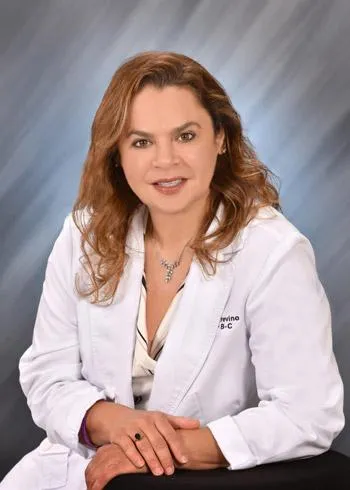
BIANCA TREVINO, ARNP
Advanced Registered Nurse Practioner
South Location
Bianca has spent the last 25 years gaining an education and experience, which makes her one of today’s top ARNP aesthetic and regenerative medicine specialists.
Bianca is dual certified by the American Association of Nurse Practitioners (ARNP), as well as the American Academy of Procedural Medicine (AAOPM). She obtained her Masters’ degree at Florida Southern University and Bachelor’s degree at the University of Central Florida in Orlando.
Her diverse experiences are punctuated by working in large hospitals, as well as community healthcare clinics, and thriving physician outpatient offices. Bianca is also a teacher with the status of “Master Instructor” for a leading local school of aesthetics. There, she teaches doctors, nurse practitioners, dentists, and other healthcare professionals the art of proper injection techniques.
Bianca’s advanced skills and specialty training in the aesthetics field and regenerative medicine covers a variety of sub-specialties. In the musculoskeletal field, she is highly proficient in paraspinal injections (neck and lower back), as well as extremity joint injections for PRP and stem cell.
She also performs viscosupplementation “lubricant” injections for osteoarthritic knees. Additionally, she performs soft tissue injections for conditions such as tennis elbow, plantar fasciitis, and much more. She is highly proficient in trigger point injections, too. In the aesthetic medicine and general health field, her experience includes: advanced administration of Platelet Rich Plasma (PRP) for hair restoration, regenerative facials, as well as injections to enhance and /or improve intimate function, advanced administration of neurotoxins, a variety of dermal fillers, micro-needling, IV nutrition, vitamin therapy, and more. She is a firm believer in attempting a variety of conservative, regenerative, and restorative approaches before considering any surgical intervention.
While all of this in itself is impressive, what makes her special is who she is as a person. Along with being a highly accomplished medical professional, Bianca is kind, perceptively compassionate, and possesses genuine, empathetic, and humble qualities, which she always extends to her patients. She is famous for saying “when I provide care to my patients it’s like I am treating my own family”. When it comes to who is taking care of YOU, isn’t being treated like family what we all want?
In her free time, Bianca spends time offering service to others, in any way possible, with her family and friends enjoying outdoor activities and volunteering at her local church. Bianca is also bilingual in English/Spanish.
BIANCA TREVINO, ARNP
Advanced Registered Nurse Practioner
South Location
Bianca has spent the last 25 years gaining an education and experience, which makes her one of today’s top ARNP aesthetic and regenerative medicine specialists.
Bianca is dual certified by the American Association of Nurse Practitioners (ARNP), as well as the American Academy of Procedural Medicine (AAOPM). She obtained her Masters’ degree at Florida Southern University and Bachelor’s degree at the University of Central Florida in Orlando.
Her diverse experiences are punctuated by working in large hospitals, as well as community healthcare clinics, and thriving physician outpatient offices. Bianca is also a teacher with the status of “Master Instructor” for a leading local school of aesthetics. There, she teaches doctors, nurse practitioners, dentists, and other healthcare professionals the art of proper injection techniques.
Bianca’s advanced skills and specialty training in the aesthetics field and regenerative medicine covers a variety of sub-specialties. In the musculoskeletal field, she is highly proficient in paraspinal injections (neck and lower back), as well as extremity joint injections for PRP and stem cell.
She also performs viscosupplementation “lubricant” injections for osteoarthritic knees. Additionally, she performs soft tissue injections for conditions such as tennis elbow, plantar fasciitis, and much more. She is highly proficient in trigger point injections, too. In the aesthetic medicine and general health field, her experience includes: advanced administration of Platelet Rich Plasma (PRP) for hair restoration, regenerative facials, as well as injections to enhance and /or improve intimate function, advanced administration of neurotoxins, a variety of dermal fillers, micro-needling, IV nutrition, vitamin therapy, and more. She is a firm believer in attempting a variety of conservative, regenerative, and restorative approaches before considering any surgical intervention.
While all of this in itself is impressive, what makes her special is who she is as a person. Along with being a highly accomplished medical professional, Bianca is kind, perceptively compassionate, and possesses genuine, empathetic, and humble qualities, which she always extends to her patients. She is famous for saying “when I provide care to my patients it’s like I am treating my own family”. When it comes to who is taking care of YOU, isn’t being treated like family what we all want?
In her free time, Bianca spends time offering service to others, in any way possible, with her family and friends enjoying outdoor activities and volunteering at her local church. Bianca is also bilingual in English/Spanish.
AESTHETIC MEDICINE
What Is Botox®?
Botox is a treatment that has been used for years now to treat facial creases and wrinkles; however, it can help with other conditions like:
- Hyperhidrosis, severe underarm sweating.
How Does Botox® Work?
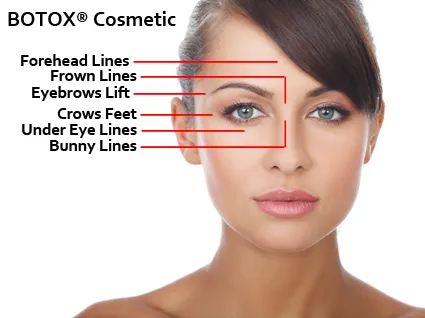
A small needle is injected (with Botox®) into the specific area that requires treatment. The procedure only takes a few minutes, and only minor discomfort is experienced. Once injected Botox® blocks signals to the muscles from the nerves. As these muscles can’t contract, wrinkles soften and relax.
The treatment is generally used for crow’s feet (those lines around your eyes), forehead lines, as well as smile lines; however, it can’t help with lines or wrinkles caused by gravity or sun damage.
The effects of procedure take between seven to 14. It is recommended to avoid alcohol for at least three days before your treatment, and it is also advised to refrain from taking anti-inflammatory medicines and aspirin two weeks before your procedure to help avoid any bruising.
Once the treatment is completed you are asked to refrain from manipulating the injected area as well as refrain from exercise, massage, blow drying hair, using a ballcap or changing position (bending over or lying down) for at least 4 hours..
Botox® results last for approximately three to four months depending on an individual's metabolism.
Micro-needling
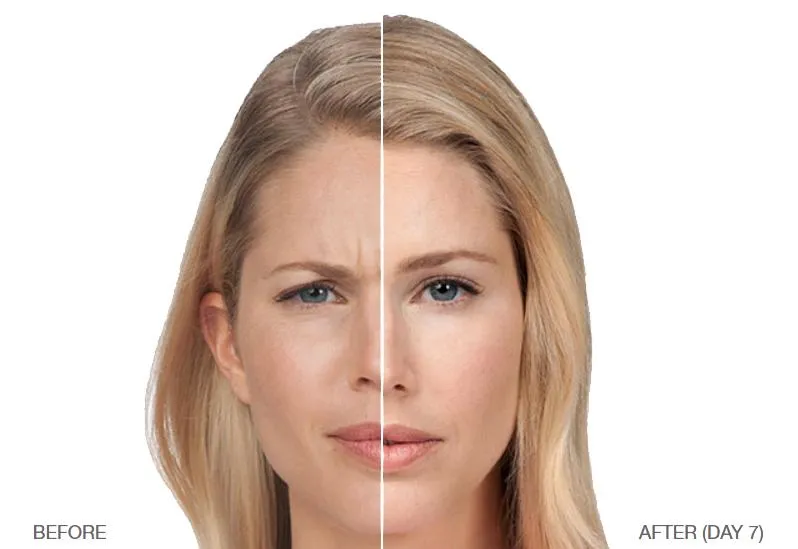
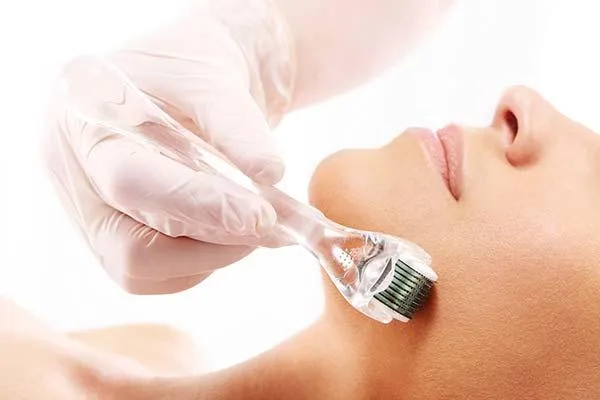
Micro-needling, also referred to as skin-needling is a minimally-invasive and non-surgical procedure used for facial rejuvenation. It organically activates new collagen production to create firmer, smoother, and more tightened skin.
How Does Micro-needling Work?
The treatment uses a micro-needling device to cause a controlled skin injury. As each fine needle punctures a patient’s skin, a channel or micro-wound is created. The controlled injury triggers the body to fill these “micro-wounds” by naturally producing new collagen and elastin in the papillary dermis. In addition, new capillaries are formed. This neo-vascularization and nucleogenesis following treatment leads to the reduction of scars and skin renewal (i.e. improved skin texture, firmness, and hydration.)
There are many skin-needling devices used for this treatment from all across the world, including Dermaroller® (Dermaroller GmbH), Dermapen™ (Equipmed Pty Ltd – Australia), and Derma-Stamps™ (Dermaroller – USA). These devices Incorporate fine micro-needles of various diameter and length producing micro-trauma, and unleashes the natural healing process. The needles are up to 3 mm in length and are introduced into the skin at varying depths according to the needs and desired results of a patient.
Professional micro-needling is considered to be one of the safest skin treatment procedures. Unlike chemical peels, dermabrasion, and laser treatments, micro-needling causes minimal damage to the skin, requires no downtime, and is considered safe for most patients in overall good health.
The treatment can be performed in an office setting, is well tolerated, and accepted by most people, plus is also suitable for patients with sensitive or thin skin.
What is Micro-needling Used For?
Skin-needling is effectively used for:
- Reducing scars (including hypertrophic scars) caused by acne, surgery, or thermal burns.
- Helping to fade stretch marks.
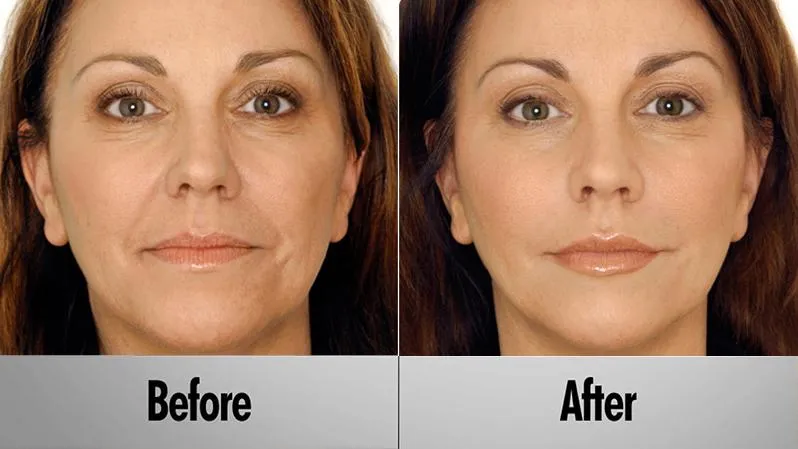
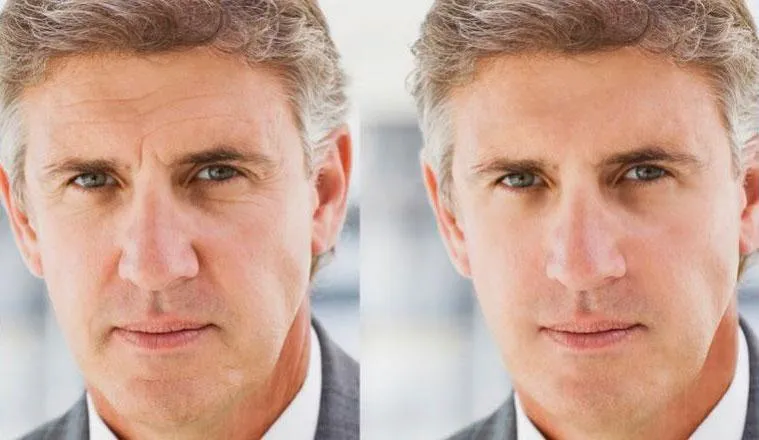
- Reducing deep wrinkles and fine lines.
- Dyspigmentation (e.g. melasma).
- Decreasing the appearance of hyperpigmentation and scarring, therefore safe on ethnic or dark skin.
- Helps to tighten sagging skin.
- Reducing pore size.
- Reducing oil level in the skin (e.g. seborrhea).
- Enhancing the delivery and effectiveness of medical-grade skin cream.
- Helping to decrease acne outbreaks.
Micro-needle technology also offers a minimally invasive and painless route of transdermal drug administration (e.g. vaccines). This technology is currently being investigated by several research groups and companies. To enhance transdermal drug transport, micro-needles can be inserted into the skin to increase its permeability, after which the drug is applied (poke with patch). Drugs could also be coated onto the micro-needles and then inserted into the skin (coat and poke). Hollow micro-needles are used to inject drug solutions into the skin.
It is cost-effective and can be done on areas of skin not suitable for peeling or laser resurfacing, such as near the eyes.
As opposed to ablative laser resurfacing, the epidermis remains intact and is not damaged. For this reason, the operation can be safely repeated, if needed.
Treatment does not result in a line of demarcation between treated and untreated skin, which usually occurs with other resurfacing procedures. Micro-needling allows for specific areas of scarring to be treated without the need to “blend” or “feather” at the treatment edges.
The patient can resume regular activities within a few days, depending on the depth of penetration of the needles.
How Many Micro-needling Treatments are Needed?
The number of needling procedures depends on the individual skin condition and goals. Three to four treatments may be required for moderate acne scars. Scars from thermal burns and stretch marks (striae) may need up to five treatments.
In the case of wrinkles associated with aging skin, one or two refresher micro-needling procedures are recommended, bi-annually.
PRP Facial Rejuvenation
Before a patient can understand exactly what a PRP Facial is, let’s rewind a bit to outline what a traditional facial is all about. While at times, the preconceived notion is that a facial is merely one single skincare therapy, the truth this, it encompasses a family of skincare procedures. From face masks to exfoliation, chemical peels, and more, facials help to enhance the strength and health of a patient’s facial skin without using invasive measures.
What is a PRP Facial?
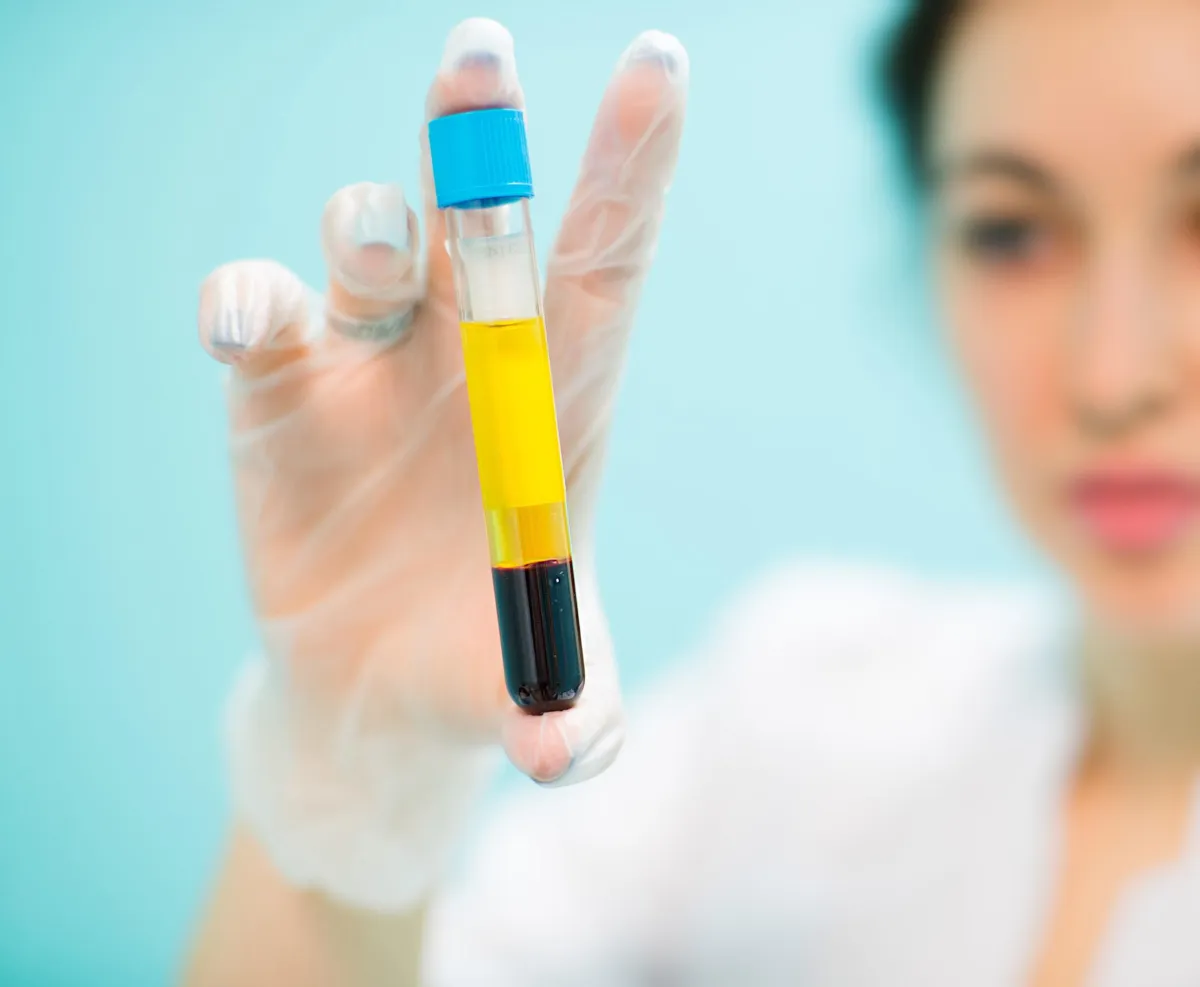
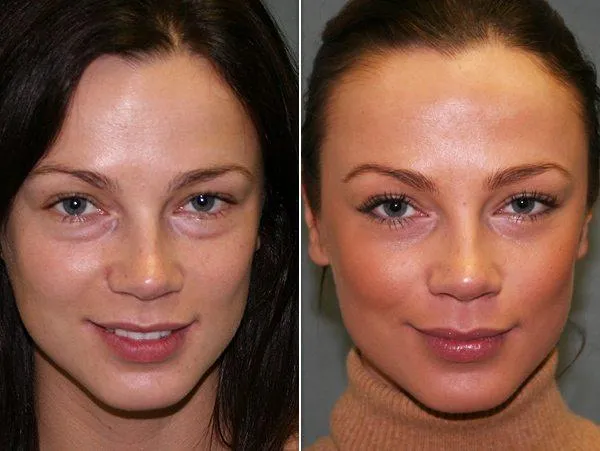
PRP (platelet-rich plasma) is a facial is skincare procedure that uses a patient’s own blood to unleash the natural healing powers to help rejuvenate your facial skin. Also referred to as a “vampire facial”, this treatment gathers PRP from your blood to help activate collagen production to help restore, replenish, and rejuvenate your face’s skin and is "Hollywood's pretty little secret". Blood is made up of four main elements: white blood cells, red blood cells, platelets, and plasma. When your plasma and platelets are concentrated, something magical can happen! To get the right concentration of platelets into plasma, all four of the blood’s main elements need to be separated by density. A medical team member takes a small sample of your blood and places it in a centrifuge to isolate plasma and platelets from red cells. The red cells are not used in the procedure. This protein-rich plasma is what helps stimulate collagen production when infused into the skin of your face. The result equals is a vibrant and renewed complexion, with minimal recovery or downtime needed!
Benefits of a PRP aka “Vampire Facial”
- Increases the body’s natural production of collagen, which promotes tighter and firmer skin.
- Decreases wrinkles and fine lines (i.e. neck rings, crow’s feet around the eyes, and smile lines).
- Enhanced moisture retention.
- Skin rejuvenation of the face.
- Diminish skin depressions, undereye hollows, age spots, and acne scars.
- Results remain for up to 18 months.
- Treatment does not hurt, is over rather quickly, and no required downtime is needed.
A tailored patient treatment plan is customized to meet specific aesthetic goals and skincare needs and during your initial consultation. To start, a small blood sample will be drawn, then placed in a centrifuge where your PRP is separated. Numbing cream is placed on the treatment area, and once the ultra-healing components of your PRP is collected, it is injected into the skin. Once completed, the healing process from your platelet rich plasma starts, and all-natural collagen production begin. In the weeks after your “vampire facial”, you’ll start to see results with firmer, tighter, and smoother skin.
While no recovery time is needed, we do recommend you avoid wearing make-up for a minimum of 24 hours after the procedure.
Could I Be A Candidate For A PRP Facial?
The beauty of a “vampire facial” is that almost anyone is a good candidate for the treatment. Plus, as you use your own blood for the procedure, there is minimal risk of an allergic reaction.
You may be a candidate for a PRP facial if you:
- Suffer from hyperpigmentation.
- Are afflicted with acne scars.
- Would like tighter and firmer skin.
- You are looking to decrease fine lines and wrinkles.
- Deal with an uneven skin tone.
- Suffer from dry skin.
- Believe your skin looks older than it should.
- Aren’t ready for a facelift.
AESTHETIC MEDICINE
What Is Botox®?
Botox® is a treatment that has been used for years now to treat facial creases and wrinkles; however, it can help with other conditions like:
Hyperhidrosis, severe underarm sweating.
How Does Botox® Work?
A small needle is injected (with Botox®) into the specific area that requires treatment. The procedure only takes a few minutes, and only minor discomfort is experienced. Once injected Botox® blocks signals to the muscles from the nerves. As these muscles can’t contract, wrinkles soften and relax.
The treatment is generally used for crow’s feet (those lines around your eyes), forehead lines, as well as smile lines; however, it can’t help with lines or wrinkles caused by gravity or sun damage.
The effects of procedure take between seven to 14 days. It is recommended to avoid alcohol for at least three days before your treatment, and it is also advised to refrain from taking anti-inflammatory medicines and aspirin two weeks before your procedure to help avoid any bruising.
Once the treatment is complete you are asked to refrain from manipulating the injected area as well as refrain from exercise, massage, blow drying hair, using a ballcap or changing position (bending over or lying down) for at least 4 hours.
Botox® results last for approximately three to four months depending on an individual's metabolism.
Micro-needling
Micro-needling, also referred to as skin-needling is a minimally-invasive and non-surgical procedure used for facial rejuvenation. It organically activates new collagen production to create firmer, smoother, and more tightened skin.
How Does Micro-needling Work?
The treatment uses a micro-needling device to cause a controlled skin injury. As each fine needle punctures a patient’s skin, a channel or micro-wound is created. The controlled injury triggers the body to fill these “micro-wounds” by naturally producing new collagen and elastin in the papillary dermis. In addition, new capillaries are formed. This neo-vascularization and nucleogenesis following treatment leads to the reduction of scars and skin renewal (i.e. improved skin texture, firmness, and hydration.)
There are many skin-needling devices used for this treatment from all across the world, including Dermaroller® (Dermaroller GmbH), Dermapen™ (Equipmed Pty Ltd – Australia), and Derma-Stamps™ (Dermaroller – USA). These devices incorporate fine micro-needles of various diameter and length producing micro-trauma, and unleashes the natural healing process. The needles are up to 3 mm in length and are introduced into the skin at varying depths according to the needs and desired results of a patient.
Professional micro-needling is considered to be one of the safest skin treatment procedures. Unlike chemical peels, dermabrasion, and laser treatments, micro-needling causes minimal damage to the skin, requires no downtime, and is considered safe for most patients in overall good health.
The treatment can be performed in an office setting, is well tolerated, and accepted by most people, plus is also suitable for patients with sensitive or thin skin.
What is Micro-needling Used For?
Skin-needling is effectively used for:
- Reducing scars (including hypertrophic scars) caused by acne, surgery, or thermal burns.
- Helping to fade stretch marks.
- Reducing deep wrinkles and fine lines.
- Dyspigmentation (e.g. melasma).
- Decreasing the appearance of hyperpigmentation and scarring, therefore safe on ethnic or dark skin.
- Helps to tighten sagging skin.
- Reducing pore size.
- Reducing oil level in the skin (e.g. seborrhea).
- Enhancing the delivery and effectiveness of medical-grade skin cream.
- Helping to decrease acne outbreaks.
Micro-needle technology also offers a minimally invasive and painless route of transdermal drug administration (e.g. vaccines). This technology is currently being investigated by several research groups and companies. To enhance transdermal drug transport, micro-needles can be inserted into the skin to increase its permeability, after which the drug is applied (poke with patch). Drugs could also be coated onto the micro-needles and then inserted into the skin (coat and poke). Hollow micro-needles are used to inject drug solutions into the skin.
It is cost-effective and can be done on areas of skin not suitable for peeling or laser resurfacing, such as near the eyes.
As opposed to ablative laser resurfacing, the epidermis remains intact and is not damaged. For this reason, the operation can be safely repeated, if needed.
Treatment does not result in a line of demarcation between treated and untreated skin, which usually occurs with other resurfacing procedures. Micro-needling allows for specific areas of scarring to be treated without the need to “blend” or “feather” at the treatment edges.
The patient can resume regular activities within a few days, depending on the depth of penetration of the needles.
How Many Micro-needling Treatments are Needed?
The number of needling procedures depends on the individual skin condition and goals. Three to four treatments may be required for moderate acne scars. Scars from thermal burns and stretch marks (striae) may need up to five treatments.
In the case of wrinkles associated with aging skin, one or two refresher micro-needling procedures are recommended, bi-annually.
PRP Facial Rejuvenation
Before a patient can understand exactly what a PRP Facial is, let’s rewind a bit to outline what a traditional facial is all about. While at times, the preconceived notion is that a facial is merely one single skincare therapy, the truth this, it encompasses a family of skincare procedures. From face masks to exfoliation, chemical peels, and more, facials help to enhance the strength and health of a patient’s facial skin without using invasive measures.
What is a PRP Facial?
PRP (platelet-rich plasma) is a facial is skincare procedure that uses a patient’s own blood to unleash the natural healing powers to help rejuvenate your facial skin. Also referred to as a “vampire facial”, this treatment gathers PRP from your blood to help activate collagen production to help restore, replenish, and rejuvenate your face’s skin and is "Hollywood's pretty little secret". Blood is made up of four main elements: white blood cells, red blood cells, platelets, and plasma. When your plasma and platelets are concentrated, something magical can happen! To get the right concentration of platelets into plasma, all four of the blood’s main elements need to be separated by density. A medical team member takes a small sample of your blood and places it in a centrifuge to isolate plasma and platelets from red cells. The red cells are not used in the procedure. This protein-rich plasma is what helps stimulate collagen production when infused into the skin of your face. The result equals is a vibrant and renewed complexion, with minimal recovery or downtime needed!
Benefits of a PRP aka “Vampire Facial”
- Increases the body’s natural production of collagen, which promotes tighter and firmer skin.
- Decreases wrinkles and fine lines (i.e. neck rings, crow’s feet around the eyes, and smile lines).
- Enhanced moisture retention.
- Skin rejuvenation of the face.
- Diminish skin depressions, undereye hollows, age spots, and acne scars.
- Results remain for up to 18 months.
- Treatment does not hurt, is over rather quickly, and no required downtime is needed.
A tailored patient treatment plan is customized to meet specific aesthetic goals and skincare needs and during your initial consultation. To start, a small blood sample will be drawn, then placed in a centrifuge where your PRP is separated. Numbing cream is placed on the treatment area, and once the ultra-healing components of your PRP is collected, it is injected into the skin. Once completed, the healing process from your platelet rich plasma starts, and all-natural collagen production begin. In the weeks after your “vampire facial”, you’ll start to see results with firmer, tighter, and smoother skin.
While no recovery time is needed, we do recommend you avoid wearing make-up for a minimum of 24 hours after the procedure.
Could I Be A Candidate For A PRP Facial?
The beauty of a “vampire facial” is that almost anyone is a good candidate for the treatment. Plus, as you use your own blood for the procedure, there is minimal risk of an allergic reaction.
You may be a candidate for a PRP facial if you:
- Suffer from hyperpigmentation.
- Are afflicted with acne scars.
- Would like tighter and firmer skin.
- You are looking to decrease fine lines and wrinkles.
- Deal with an uneven skin tone.
- Suffer from dry skin.
- Believe your skin looks older than it should.
- Aren’t ready for a facelift.
PRP HAIR RESTORATION
PRP Treatments for Hair Loss
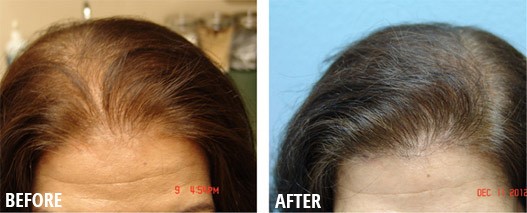
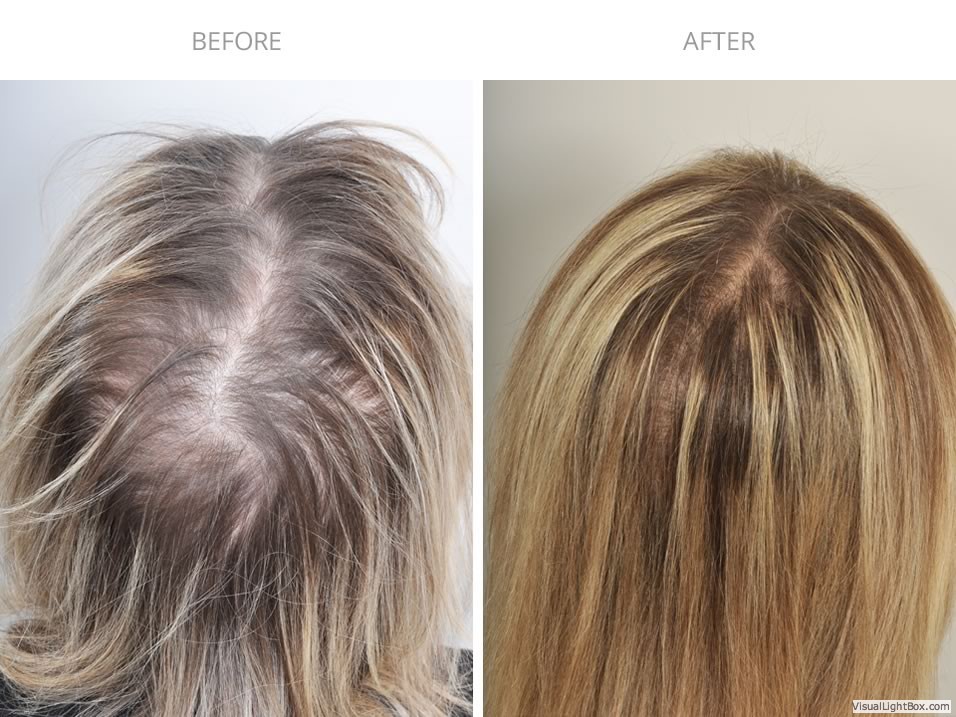
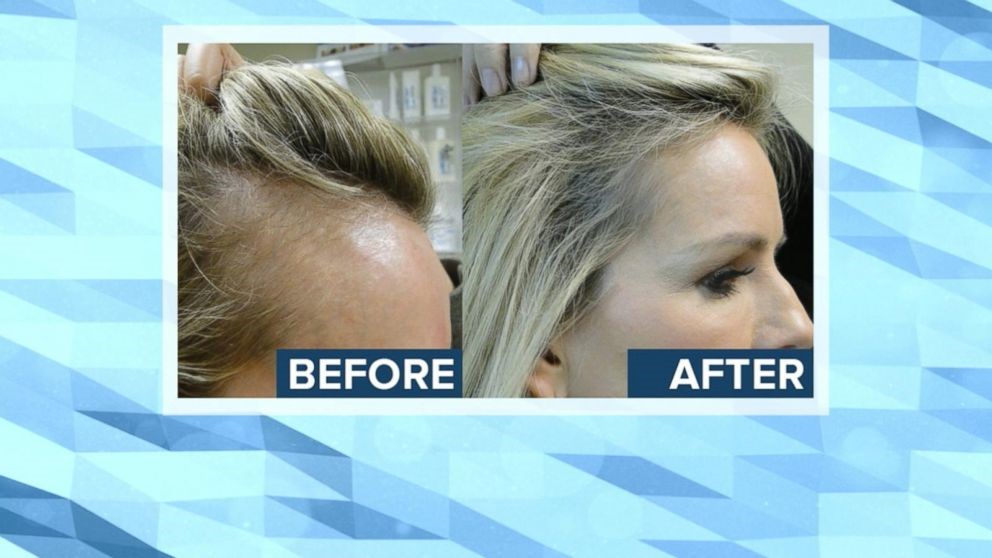
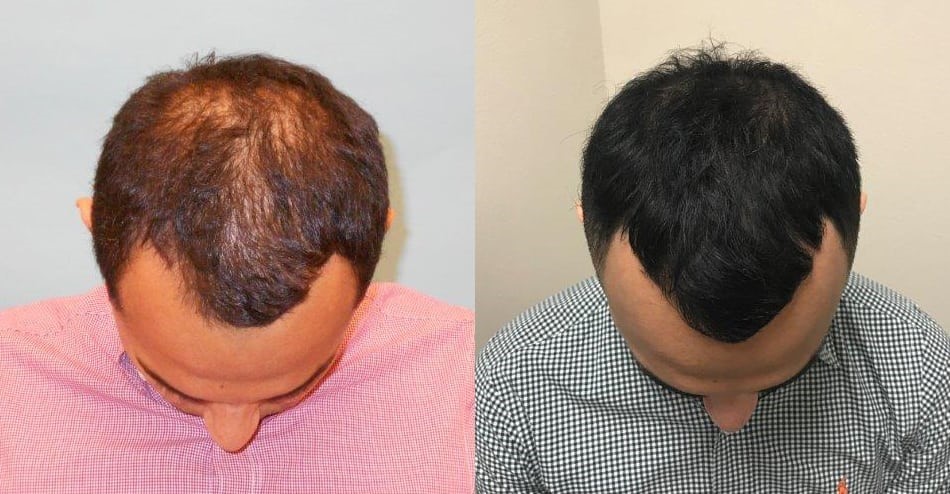
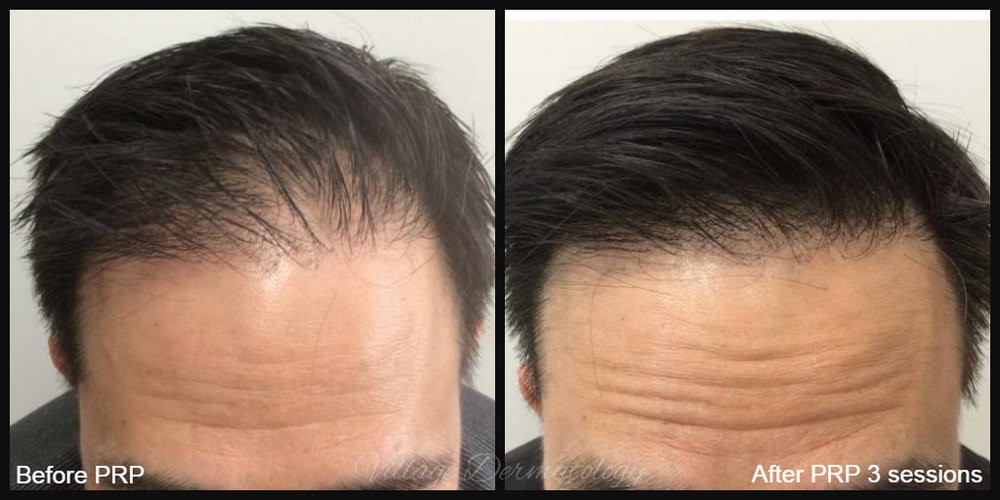
Platelet-rich plasma (PRP) is an injection treatment that uses the components of a person’s own blood to stimulate hair growth.
Platelets are very small cells in your blood that are involved in the clotting process. When PRP is injected into a damaged area, it causes a mild inflammation that triggers the healing cascade.
As the platelets organize in the tissue, they release several enzymes to promote the healing and restoration of tissue. They’ve also been proven to promote and stimulate hair growth.
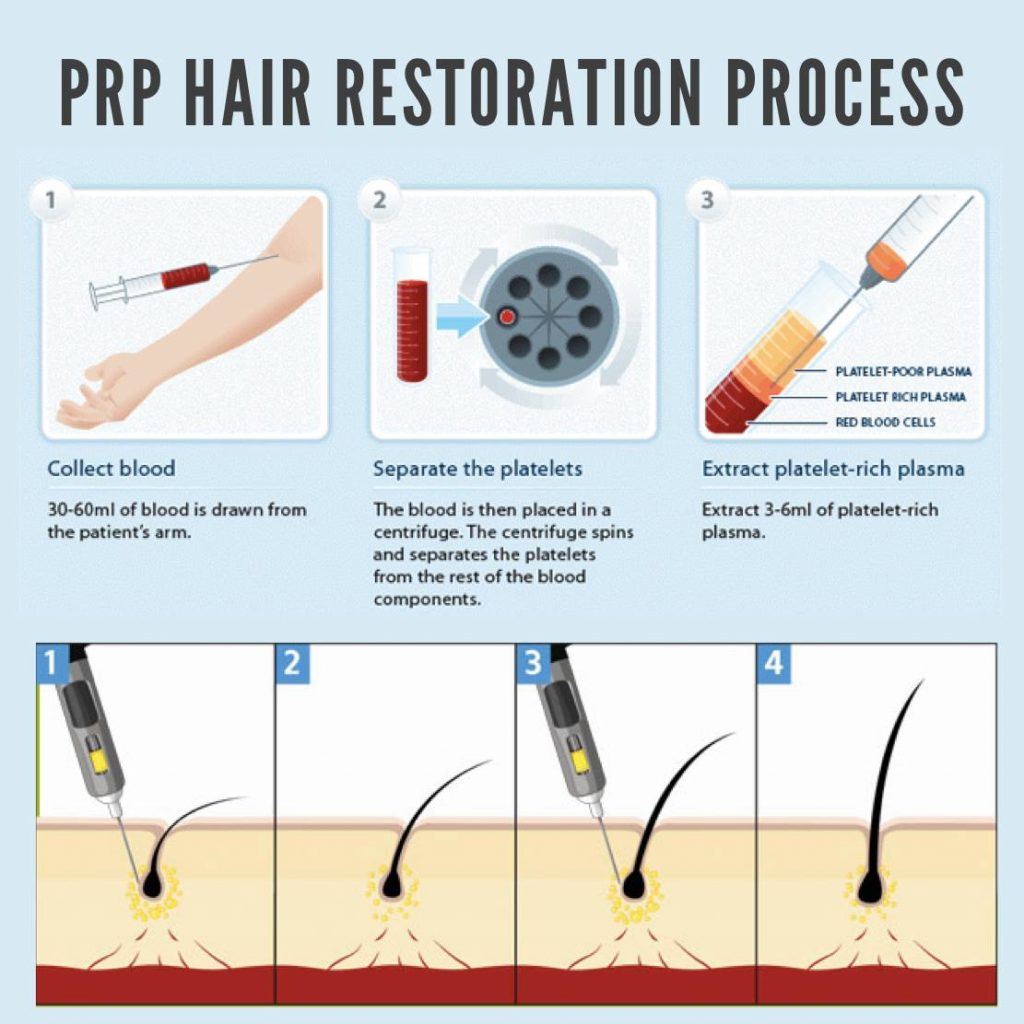
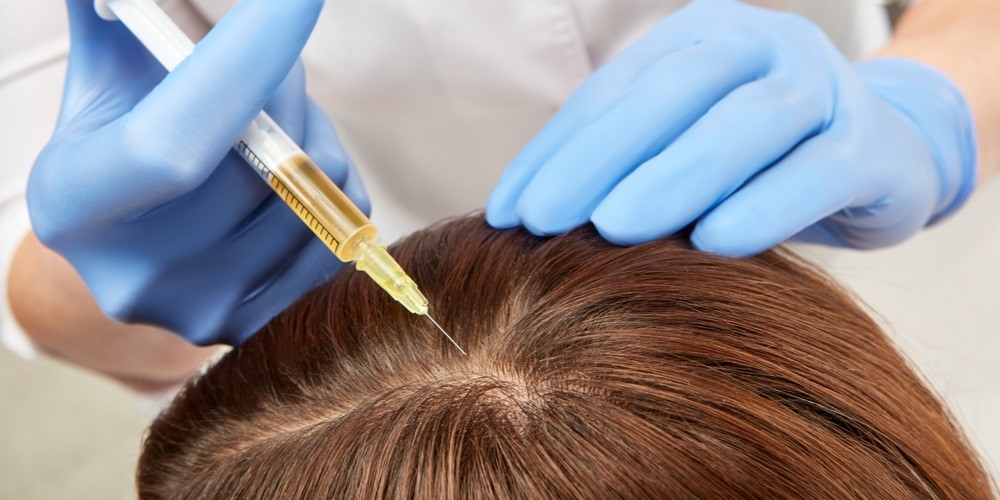
The platelet-rich plasma is separated from the rest of the blood and then activated with a small amount of calcium to allow the release of growth factors from the platelets, which in turn, amplifies the healing process. Following the administration of local anesthetic cream, PRP is then injected directly into thinning areas of a patient’s scalp.
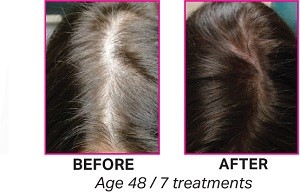
Approximately three treatments are needed initially, spread over four weeks between each procedure. After that, more treatments might be needed, depending on the response, and men are advised to get added procedures done every six months (due to testosterone), while women would come in annually after the first initial three treatments are done.
*PRP Treatments for hair loss are currently only available at the Orange Wellness South location
PRP HAIR RESTORATION
PRP Treatments for Hair Loss
Platelet-rich plasma (PRP) is an injection treatment that uses the components of a person’s own blood to stimulate hair growth.
Platelets are very small cells in your blood that are involved in the clotting process. When PRP is injected into a damaged area, it causes a mild inflammation that triggers the healing cascade.
As the platelets organize in the tissue, they release several enzymes to promote the healing and restoration of tissue. They’ve also been proven to promote and stimulate hair growth.
The platelet-rich plasma is separated from the rest of the blood and then activated with a small amount of calcium to allow the release of growth factors from the platelets, which in turn, amplifies the healing process. Following the administration of local anesthetic cream, PRP is then injected directly into thinning areas of a patient’s scalp.
Approximately three treatments are needed initially, spread over four weeks between each procedure. After that, more treatments might be needed, depending on the response, and men are advised to get added procedures done every six months (due to testosterone), while women would come in annually after the first initial three treatments are done.
*PRP Treatments for hair loss are currently only available at the Orange Wellness South location
CLICK ON THE PHOTOS TO VIEW IN FULL SCREEN
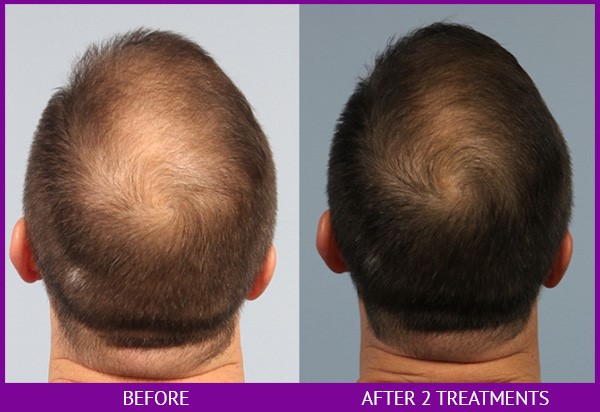
CLICK ON THE PHOTOS TO VIEW IN FULL SCREEN
©2020 Orange Wellness